Can You Actually Move Without Taking Bed Bugs With You?
Yes — people do it successfully all the time, and the difference between success and failure is a protocol, not luck. Every item that moves is either treated, heat-processed, inspected and sealed, or deliberately left behind.
Start from the bug's point of view. A bed bug crosses to your new home inside something: a mattress seam, a box of books, a sofa frame, the corrugation of a cardboard box. It does not march across town on its own. So the move is won by controlling the cargo. The households that fail are almost never the ones with the worst infestations — they are the ones that packed in a panic the night before, loose and uninspected.
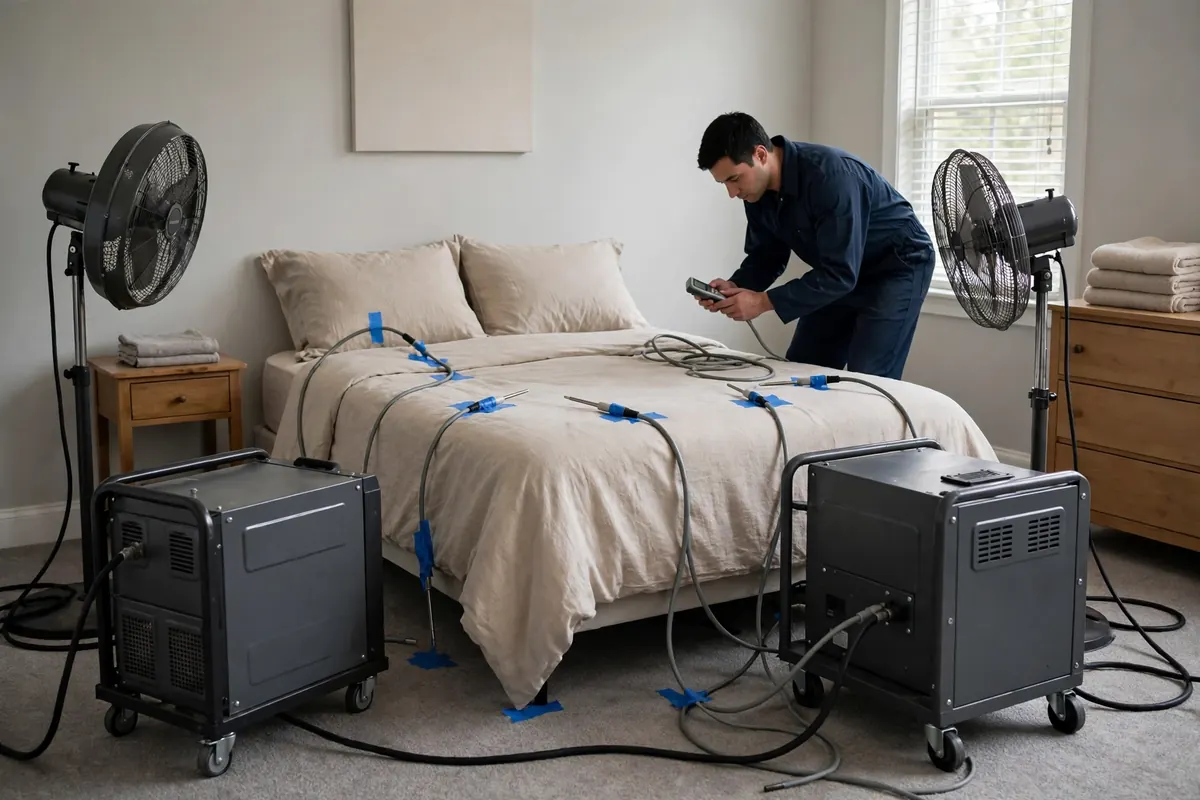
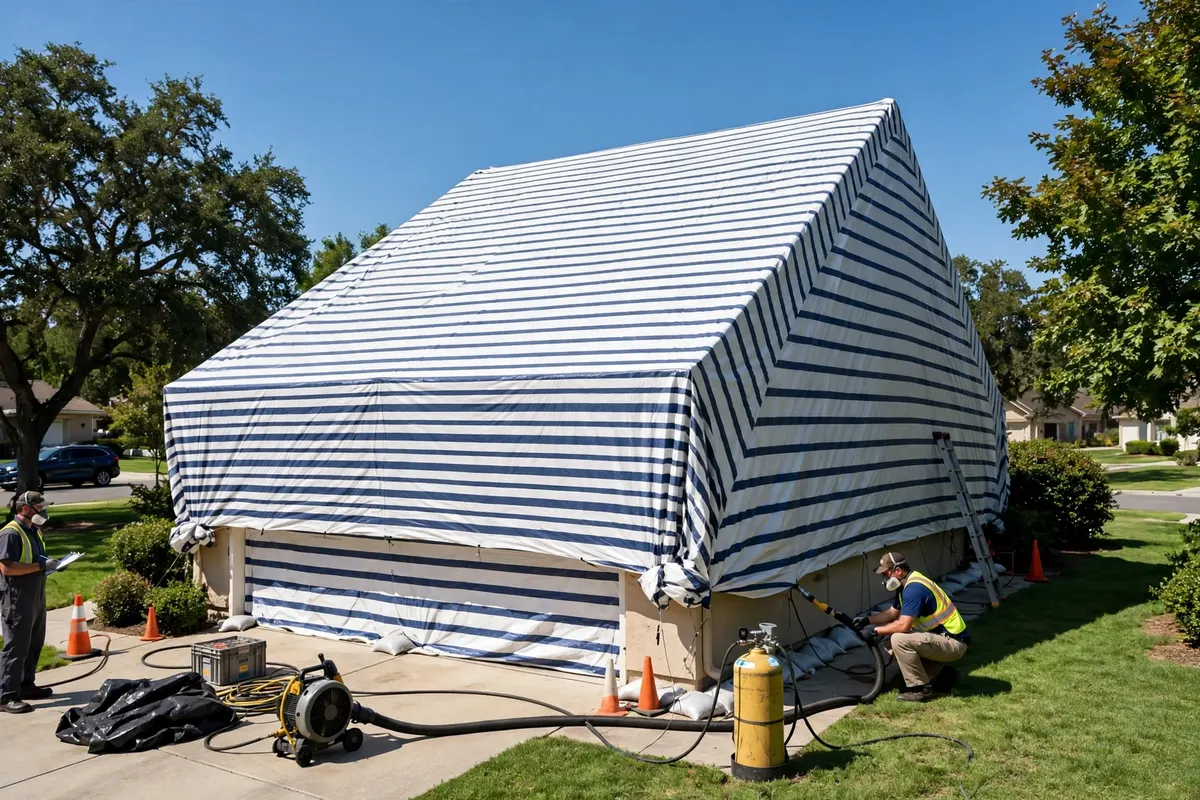
Ideally the old home is treated first, even partially: a professional program that starts before the move cuts the live population and makes every later step easier. Where the lease or the sale will not wait, the protocol below still works — it just leans harder on heat and sealing. Either way, tell your pro the move date; they plan around moves constantly, from Bed Bug Treatment Brandon, FL to every other town on the map.
What Should You Decide Before You Pack Anything?
Get an inspection and a keep–treat–discard decision for the big items before a single box is packed. Beds, sofas and upholstered chairs are the decision that matters; everything small can be processed in batches.
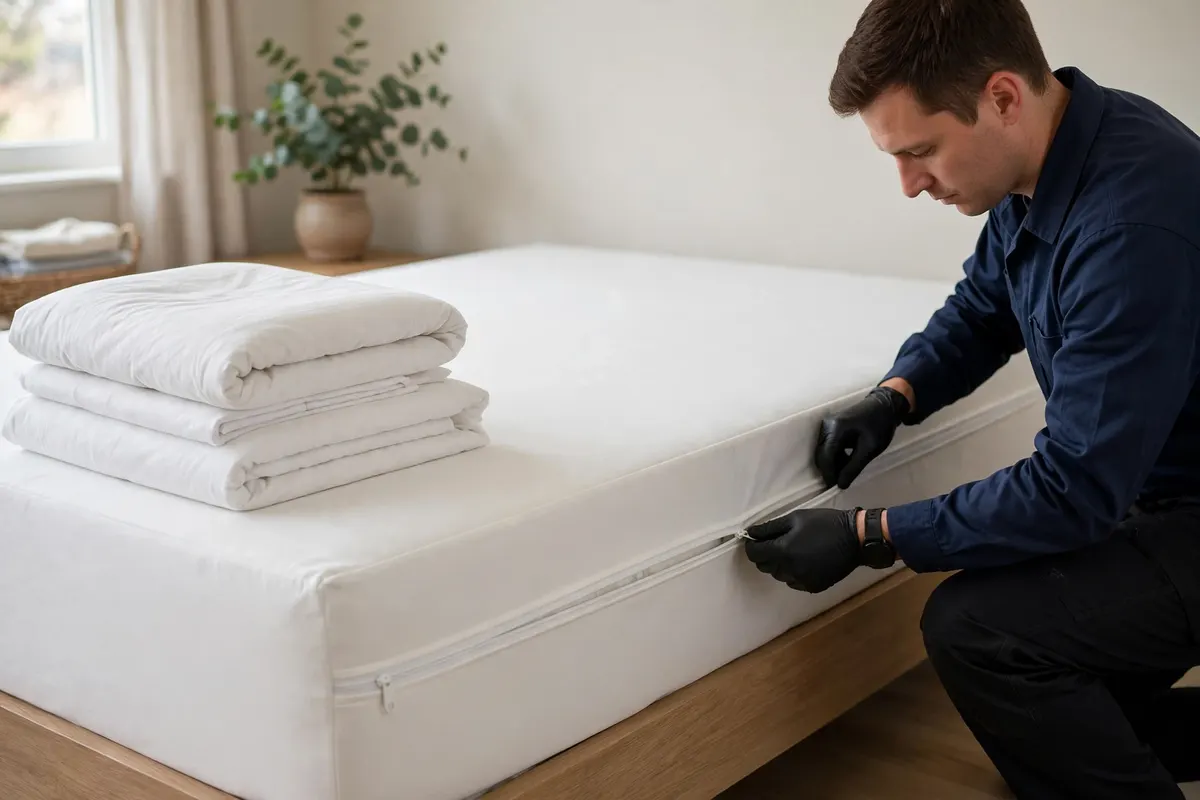
Most furniture is worth treating and keeping. Mattresses and box springs are treated and then sealed in zippered encasements, which travel with the bed and stay on in the new home. Sofas and recliners can be vacuumed, steamed and treated in place. The discard list is usually short: items so heavily infested or so worn that treatment costs more than replacement. Those leave the home sealed in plastic and clearly labelled, under local disposal rules — never donated, never left 'free to a good home' on the kerb.
What you are really buying with the inspection is a map. Knowing which rooms are hot and which are clean tells you what to pack first, what to process hardest, and what can move with ordinary care. Packing blind treats a clean kitchen like a biohazard and a hot bedroom like a kitchen — and spends the effort exactly backwards.
How Do You Pack Clothes, Bedding And Soft Items?
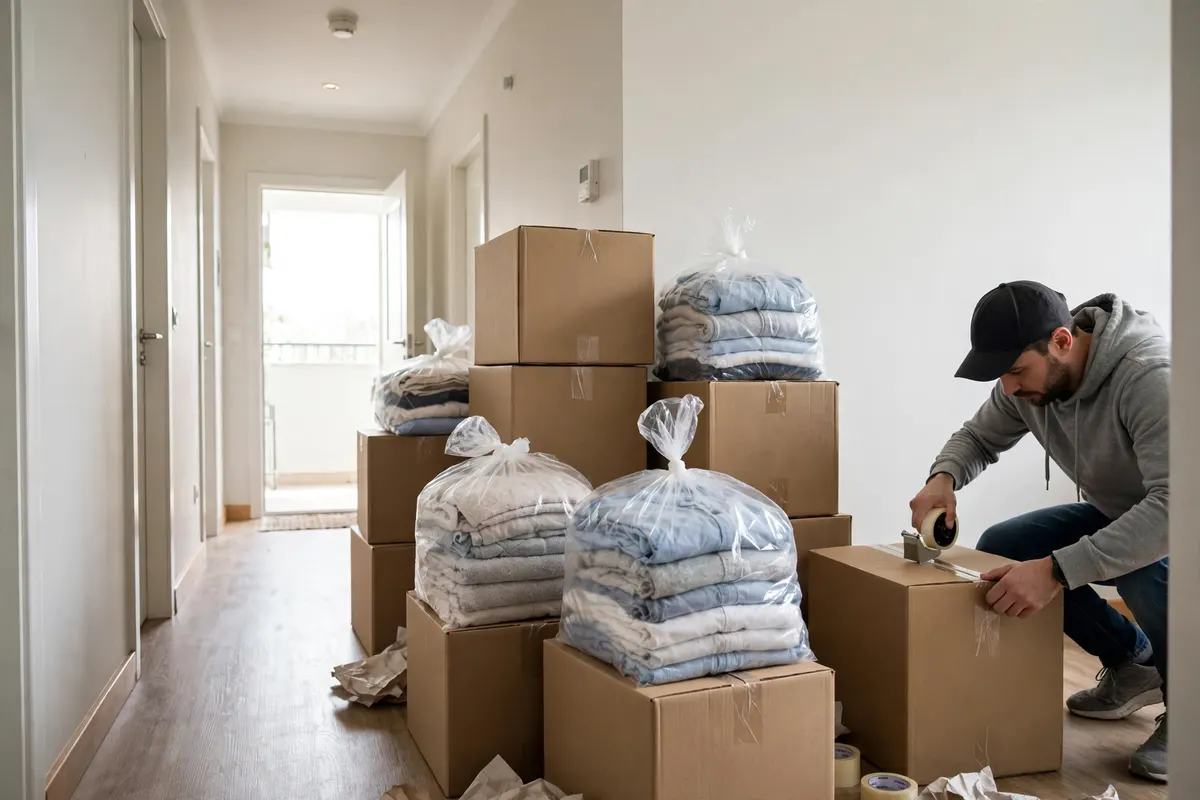
Everything soft goes through the same gate: hot wash, then a high-heat dryer cycle, then straight into a new sealed plastic bag inside a lidded plastic bin. Heat is the one step no life stage survives.
Work in batches at the laundrette or at home. Bag the items at the bed or wardrobe, carry the sealed bag to the machine, wash hot, then tumble dry on the highest heat the fabric tolerates — the dryer is the lethal step, killing eggs, nymphs and adults alike. Clean items go into fresh bags, never back into the bags they arrived in. Those bags live inside plastic bins, not cardboard boxes: the corrugated walls of a cardboard box are a ready-made harborage, and the boxes themselves are the most common stowaway vehicle in failed moves.
Out-of-season clothes, curtains, soft toys, pet bedding — same gate, no exceptions for things that 'probably never went near the bed'. Bed bugs in an established home are not only in the bed, and 'probably' is not a packing standard. Label each bin with its room and keep the bins sealed until they are opened in the new home.
Need Bed Bug Treatment Help Near You?
One free call connects you with a local pro who can arrive in 30–60 minutes.
Call (800) 555-0100Free Call · Answered 24/7 · Local Pros Near You
How Do You Handle Furniture, Books And Electronics?
Furniture gets inspected joint by joint and treated before it is wrapped; electronics and books get inspected and isolated rather than assumed clean. Nothing is wrapped for the truck until it has cleared its check.
Bed frames come apart, which is when they are easiest to inspect — every joint, screw hole and hollow leg. Headboards, nightstands and drawer units get the same treatment: drawers out, joints checked, HEPA vacuuming, steam where the material allows, and targeted residual in cracks if your pro is running a program. Treated furniture is then wrapped in clean plastic or fresh moving blankets reserved for the move, so the truck cannot re-contaminate it.
Books, paperwork and electronics are lower risk, but in an infested bedroom they are not zero risk — bindings and stacked paper near a bed can shelter a bug. They move in sealed bins, ideally after a spell isolated with a passive monitor in the bin, and they are unpacked last and checked in the new home. Families making the move around Bed Bug Treatment Arlington, TX hear the same line from their pros: the last boxes opened should be the ones from the hot room.
Moving Day: How Do You Protect The New Home?
Only cleared cargo travels, the new beds are defended from the first night, and the hot-room boxes stay sealed until everything else is proven. Set up beds before anything else — a defended bed is your early-warning system.
Fit the mattress encasement and box-spring encasement as the beds are assembled, and put interceptor traps under every bed leg before the first night. If anything followed you, the traps catch it walking to its first meal — evidence in days, at the one-bug stage, instead of a discovery in three months. Sleep in the new beds from night one; sleeping on the sofa 'to be safe' just gives any stowaway a second feeding station to find.
Be straight with the moving crew. Tell them which home is being treated and which boxes are hot-room boxes. Crews have protocols for this, and the dishonest version of the day — saying nothing — is how bugs end up in a shared truck and then in someone else's home. The same candour applies to landlords and buyers: duties vary by state and lease, but quietly exporting an infestation is a problem that returns with legal postage. Background for your state is in Bed Bug Help In New York and its sister state pages.
What Does The First Month In The New Home Look Like?
Calmly, and on evidence. Weekly checks of bed seams and the trap catch, no new fecal spots or shed skins, and a month of clean monitors is what 'we did it' actually looks like.
Keep the routine light but real: glance at the interceptors when you change the sheets, run a torch along the mattress seams once a week, and unpack the last hot-room bins over the bath so anything in them is seen. If your old home's program included follow-up visits, tell the pro the new address — the verification habit matters more than the postcode, and in multi-unit buildings around Bed Bug Treatment Amityville, NY the new neighbours deserve the same care you needed.
If a sign does appear, treat it as a data point, not a defeat. One bug in a trap in week one is a stowaway intercepted — exactly what the system was built for. Call it in, get it identified, and let the pro decide whether a targeted treatment closes the story.
You do not move faster than the bugs. You move cleaner than them — one treated, sealed, inspected item at a time.
Why Does Honesty Matter So Much In A Move?
Because moving spreads risk in three directions: to your new home, to the crew and truck, and to whoever takes the old place next. Each of those people has a legitimate stake, and in many leases a disclosure duty sits with the tenant.
The practical pitch is stronger than the moral one. A landlord who knows can treat the empty unit properly before the next tenant — far cheaper than a mid-tenancy case. A mover who knows protects your clean cargo. A buyer who knows prices the treatment in instead of discovering it in month two. Every concealment strategy converts a manageable, treatable problem into a dispute — while doing nothing at all to reduce the actual bugs.
One free call connects you with a local pro who has shepherded moves like yours before and can sequence the inspection, any treatment and the packing gates around your date. Moving with bed bugs is a logistics problem, and logistics problems have solutions.
A Short Field Glossary
A few terms run through every inspection report and treatment plan. The species behind nearly every case is Cimex lectularius, the common bed bug. A bed bug egg is a millimetre long, pearly white, and glued into a seam or crack where sprays rarely reach. A bed bug nymph moults five times before it can breed, and it needs a blood meal at every stage. Rusty stains on bedding come from crushed, blood-fed bugs rolled on in the night.
The tools behind the terms are just as plain: K9 scent detection can sweep a room in minutes, the dog's nose finding what eyes miss in clutter. Everything starts with a visual inspection — seams, screw holes, headboard backs and the joints of the frame. Thermal heat remediation raises the whole room to a lethal temperature and holds it there until every stage is dead.