Do Bed Bug Foggers Work?
No. Total-release foggers are not effective against bed bugs — that is the stated position of the US EPA — and in real homes they frequently make the infestation larger by driving bugs out of their hiding places and into new ones.
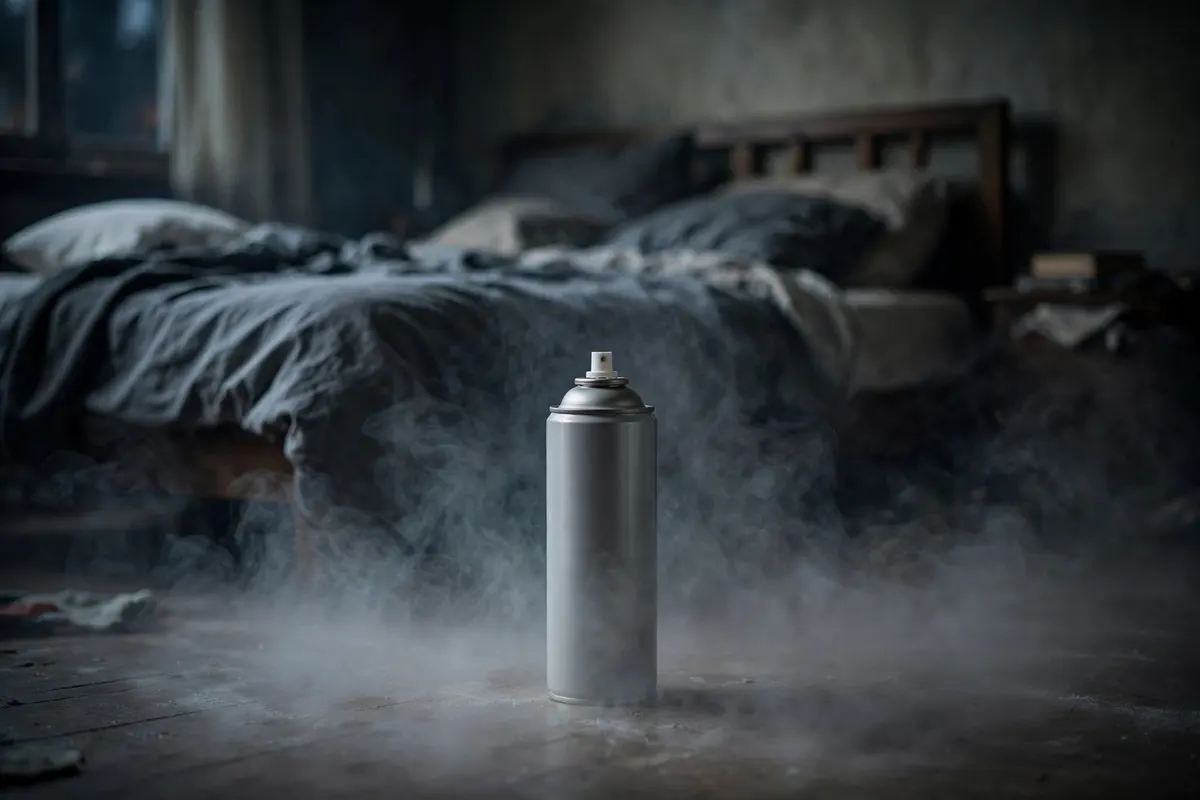
The appeal is understandable. A fogger promises a whole-room treatment for the price of a takeaway, with no appointments and no preparation. The failure is built into the physics: a fogger fills the air and deposits insecticide on open, exposed surfaces — floors, bed tops, countertops. Bed bugs spend their lives in the exact opposite of open, exposed surfaces: inside mattress piping, frame joints, baseboard cracks, the folds of a sofa. Almost none of the product reaches almost any of the bugs.
Worse, the bugs it does reach are irritated rather than killed — especially modern populations with real pyrethroid resistance. What they do next is the problem this whole article is about. Households that call Bed Bug Treatment Alachua, FL after a fogger are, on average, describing a bigger problem than households that called before one.
None of this is a secret kept by professionals. The EPA's bed bug pages say it in plain language, university extension services repeat it, and the product labels themselves limit what foggers claim to treat. The fogger survives commercially because the failure is delayed and deniable: the room smells treated, the air clears, and the bugs' return a week later gets blamed on anything except the can.
What Actually Happens When You Set Off A Fogger?
They move. Flushed out of a treated sofa or bed, bed bugs scatter into wall voids, deeper cracks, other rooms — and in apartments, into the neighbours' units. A contained problem becomes a distributed one.
Picture the infestation as a map before and after. Before: one bed, maybe one sofa, every bug within a few feet of where people sleep. After a fogging: those same bugs, alive, now spread along the baseboards, behind the electrical outlets, inside the wall voids, in the bedroom next door. Each new harborage is a separate place the eventual professional treatment has to find and reach. Scattering is not a side effect of foggers on bed bugs; with an irritant aerosol and a harbourage-dwelling insect, it is the predictable main effect.
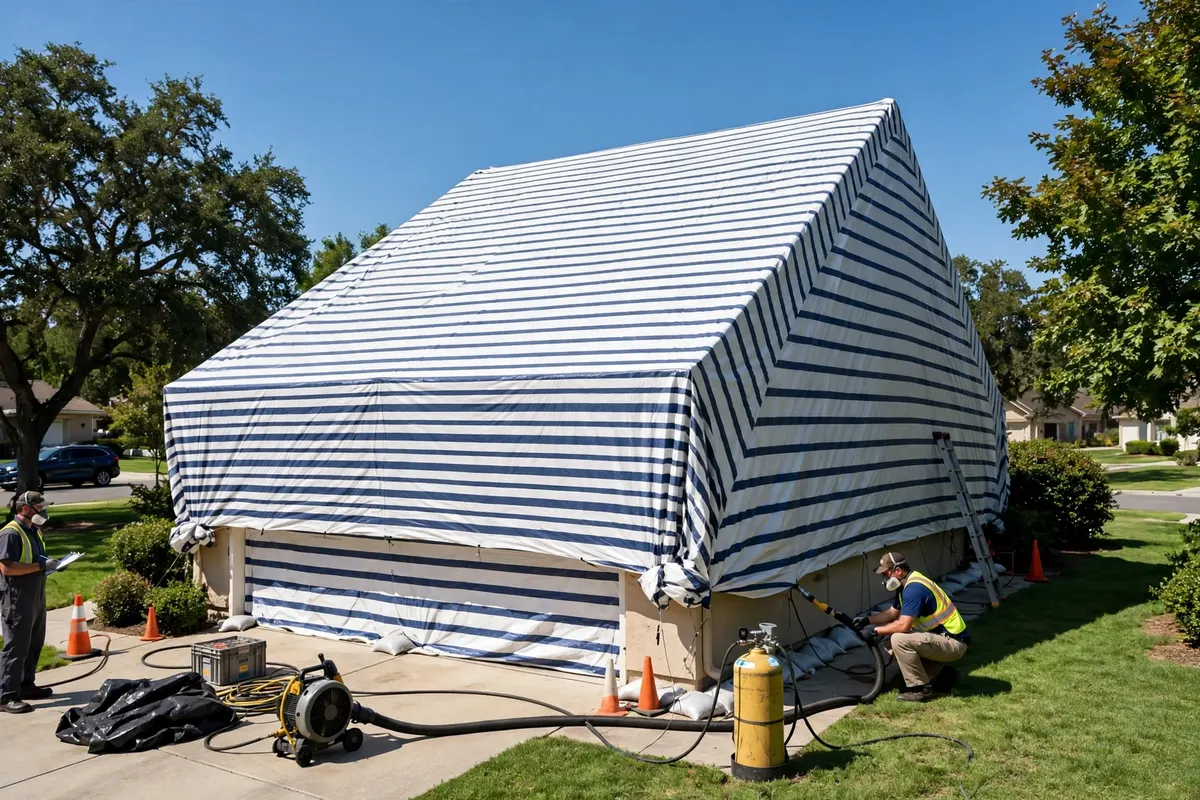
In multi-unit housing the blast radius leaves your home entirely. Bugs driven through shared wall voids can start satellite populations in adjoining units — the scenario behind Bed Bug Help In Florida building-wide cases, where one resident's bug bomb becomes four flats' treatment program and a landlord's very expensive month.
A fogger does not empty the room of bed bugs. It empties the bed bugs into the rest of the building.
Why Can't The Chemical Reach Them?
Reach, residue and resistance. The aerosol cannot penetrate harbourages, what lands on surfaces does not stay lethal where bugs actually walk, and much of today's bed bug population is genetically defended against pyrethroid chemistry anyway.
Need Bed Bug Treatment Help Near You?
One free call connects you with a local pro who can arrive in 30–60 minutes.
Call (800) 555-0100Free Call · Answered 24/7 · Local Pros Near You
Are Foggers Dangerous As Well As Useless?
Yes — the risks are separate from the bed bugs. Foggers are flammable aerosols, their misuse is a documented cause of fires and explosions, and over-exposure to their chemicals causes real illness.
Health agencies have documented years of injuries tied to fogger misuse: people using too many cans for the space, re-entering too soon, or igniting the aerosol cloud near a pilot light or spark. The labels carry warnings for a reason — multiple foggers in a small home, a gas appliance, and a resident who 'just pops back in for the cat' is a genuinely hazardous combination. None of this risk buys any bed bug control at all: the product cannot do the one job it was bought for.
There is also the residue question. A fogger coats everything in the room — bedding, children's toys, kitchen surfaces, pet bowls — with insecticide, while leaving the bugs' actual hiding places untouched. You then wash and clean your whole life to remove a chemical that never inconvenienced the infestation. Targeted professional application puts small amounts of product inside cracks you never touch, which is the opposite profile.
Is Any Shop-Bought Spray Different?
Somewhat. A contact spray labelled for bed bugs, aimed directly into seams and cracks you can see, can kill the bugs it physically wets — it is a precision tool for a visible target. What it cannot do is substitute for a program: it leaves the eggs, the deep harbourages and the resistant survivors, and repeated light spraying trains resistance harder. Think of it as a way to kill the bug in front of you, never as the treatment.
You Already Used One. What Now?
Stop. Do not set off a second one 'to finish the job'. Air the rooms per the label, note the product name, and call for an inspection — telling the pro exactly what was used and when.
The honest sequence after a fogging is damage assessment, not self-blame. The pro's first job is a wider inspection than usual — adjoining rooms, wall voids, the furniture the bugs were flushed from and into — because the map has changed. Households around Bed Bug Treatment Abilene, TX who admit the fogger on the first call get a plan that assumes scattering; households that do not mention it get a plan for a smaller problem than the one they have, and the mismatch costs a visit to correct.
Then treatment proceeds on evidence: heat for the worst rooms, targeted residuals and dusts placed where the bugs now actually are, encasements, and monitors to prove the result. None of it is exotic — it is the standard program, drawn on a bigger map.
What Should You Do Instead?
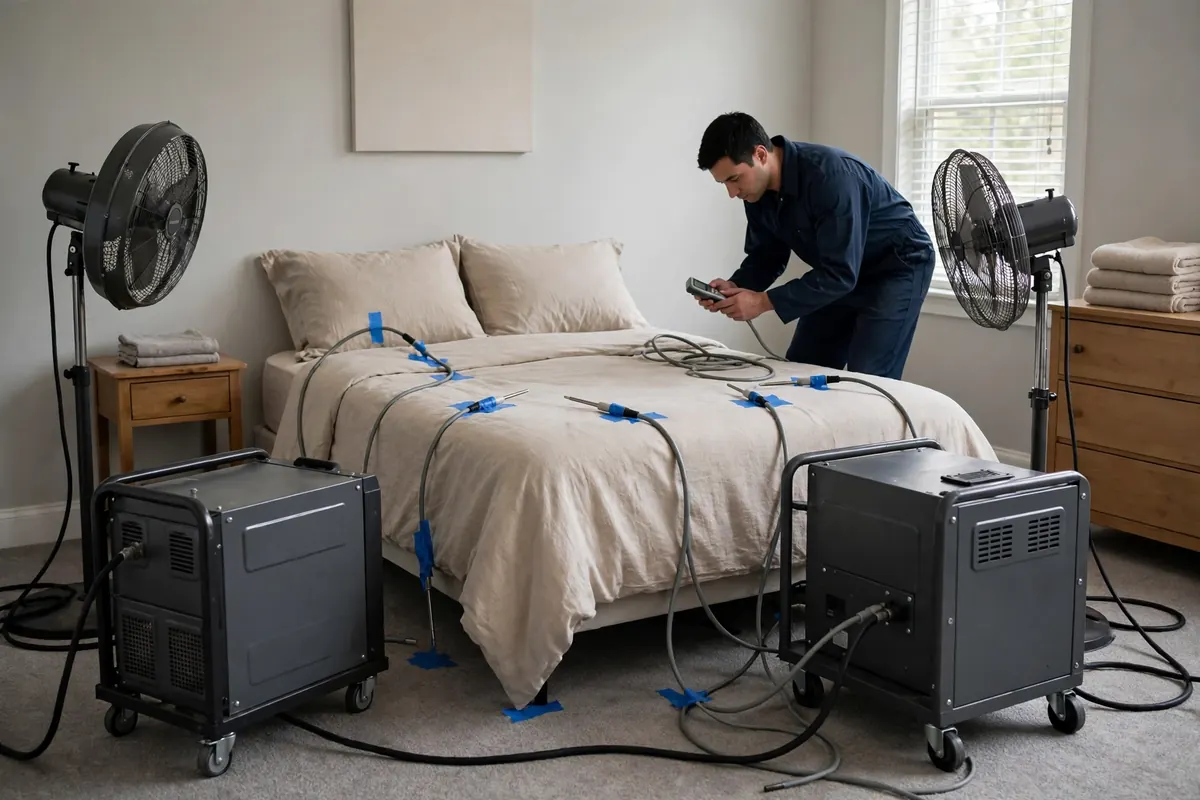
Inspection first, then a method matched to your home: heat that kills every life stage in a day, targeted chemical programs with hatch-timed follow-ups, steam, vacuuming, encasements and monitoring to verify.
Everything that works on bed bugs shares one trait a fogger lacks: it is aimed. A pro aims heat at the harbourages until their temperature passes the point no bed bug survives; aims residual product into the seams and travel routes bugs must cross; aims monitoring at the question 'are any left?'. The program built for Bed Bug Treatment Albany, NY readers is the same shape everywhere — confirm, treat the hiding places, verify — and none of it comes in a can that treats a room by filling its air.
One free call connects you with a local pro who can inspect your home and tell you plainly what your infestation needs. If a fogger is still sitting in your cupboard, leave it there.
A Short Field Glossary
A few terms run through every inspection report and treatment plan. The species behind nearly every case is Cimex lectularius, the common bed bug. A bed bug egg is a millimetre long, pearly white, and glued into a seam or crack where sprays rarely reach. A bed bug nymph moults five times before it can breed, and it needs a blood meal at every stage. Fecal spots, tiny black dots of digested blood, gather on the seams and frame where the colony rests. Shed skins (exuviae) are the papery shells left behind at each moult, and they collect beside the seams where the colony rests. Rusty stains on bedding come from crushed, blood-fed bugs rolled on in the night.
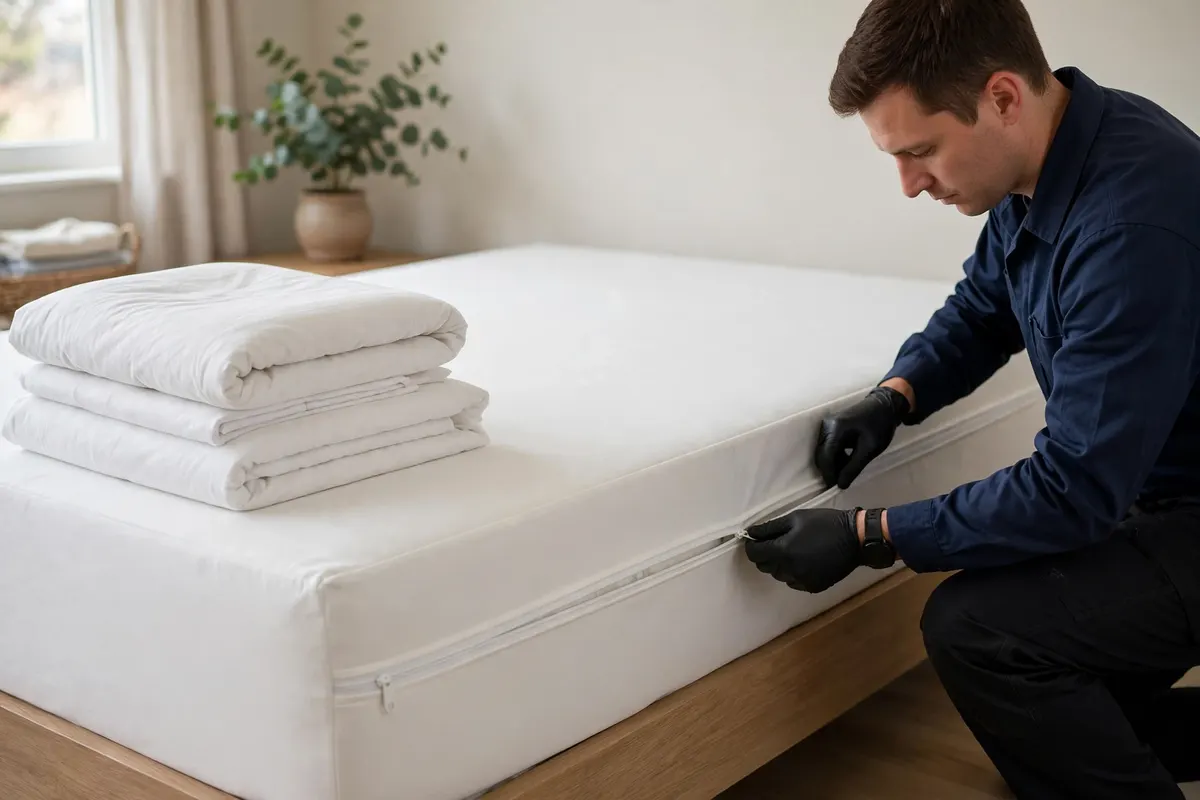
The tools behind the terms are just as plain: A passive monitor tucked at the head of the bed gives wandering bugs a harbourage that can be checked in seconds. A box-spring encasement does the same for the base, whose torn fabric and staples hide colonies well. K9 scent detection can sweep a room in minutes, the dog's nose finding what eyes miss in clutter. Everything starts with a visual inspection — seams, screw holes, headboard backs and the joints of the frame. Thermal heat remediation raises the whole room to a lethal temperature and holds it there until every stage is dead.