Can Bed Bugs Live In An Empty Apartment?
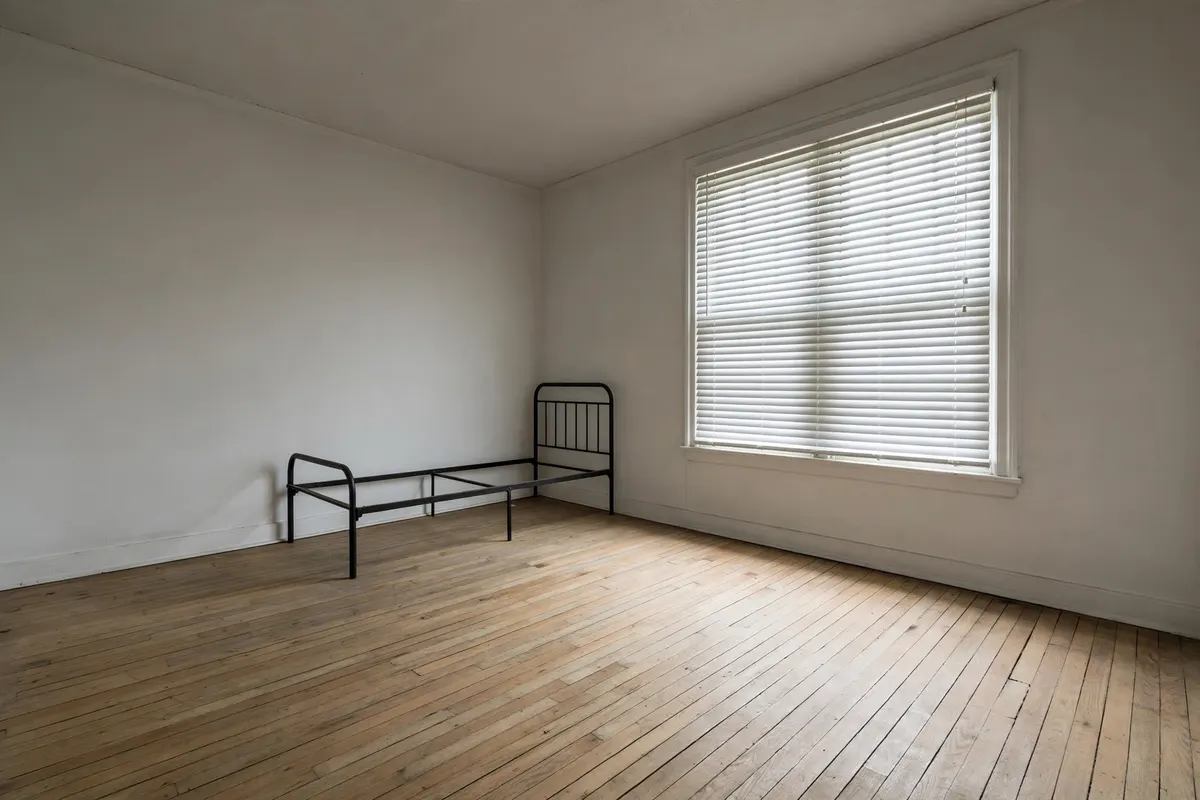
Yes — for months. A bed bug's metabolism slows right down without food, and in a cool, empty property it can wait the better part of a year for the next host to arrive. Vacancy alone clears nothing.
Bed bugs are built for famine. Between meals they sit motionless in harbourages — bed frame joints, baseboard cracks, the seams of any furniture left behind — burning almost nothing. Public-health guidance from the CDC describes bed bugs surviving for months without a blood meal, and in cool conditions survival stretches longer still: the colder and quieter the property, the slower the clock runs. A warm, occupied home actually shortens an unfed bug's life compared to a cold, empty one.
So the maths of the common plan — 'we will leave it empty for a few weeks and they will die' — fails by an order of magnitude. Weeks are nothing to this insect. The tenants who move back in, or the new tenants who sign the lease, are met by the same population, hungry and entirely intact: the pattern behind many Bed Bug Treatment Arlington, TX vacant-unit callouts.
The myth survives because vacancy genuinely does hide the evidence. With no host in the home, the bugs stop travelling, stop feeding and stop leaving fresh fecal spots — the signs a returning tenant would look for simply stop being produced. The flat looks cured precisely because it is empty. The first night's sleep restarts everything, and the bites that follow get blamed on the new tenant's own mattress, their luggage, anything except the quiet population that was there all along.
How Long Can They Survive Without Feeding?
It depends on life stage and temperature, but plan around months, not weeks. Adults are the hardiest; a cool property is a survival chamber, not a death sentence.
An empty apartment is not a treatment. To a bed bug, it is a waiting room with excellent job security.
What Do They Do While The Place Is Empty?
They wait, and they wander. Without a host in their unit, bed bugs become more likely to travel — through wall voids and along pipe runs toward the nearest occupied home.
Starvation does not make bed bugs passive; at a certain point it makes them mobile. A hungry population explores, and in a multi-unit building the routes are built in: electrical outlets, plumbing penetrations, shared wall voids. The empty unit quietly empties itself into the neighbours — which is why a vacant, infested flat is a building problem, not a private one, and why Bed Bug Help In New York guidance tells landlords to treat the vacant unit promptly rather than leave it as a reservoir.
This is also why 'the flat was empty for three months' proves nothing at a viewing. Absence of people means absence of fresh evidence — no new fecal spots near a bed that is not there — while the original harbourages sit undisturbed in frames, skirting and any furniture the last tenant left.
Need Bed Bug Treatment Help Near You?
One free call connects you with a local pro who can arrive in 30–60 minutes.
Call (800) 555-0100Free Call · Answered 24/7 · Local Pros Near You
Does Turning The Heating Off All Winter Starve Them Out?
No — cold is their preservative, not their poison, at any temperature a building reaches on its own. Only sustained, verified extremes kill bed bugs, and an unheated property in winter never verifies anything.
This is the most persistent version of the vacancy myth: leave the flat empty with the heating off through winter and let the cold finish them. It fails twice over. First, cold slows bed bug metabolism down — the same dormancy that stretches survival toward a year is a cold-weather adaptation, not a vulnerability. Second, even genuinely lethal cold has to be deep, sustained and measured at the harborage, inside the frame joint and the wall void where insulation and the building's own mass keep temperatures milder than the room air suggests. Nobody monitors a vacant flat's baseboards at 3 a.m. in February; the bugs simply ride out the season in the warmest crack available.
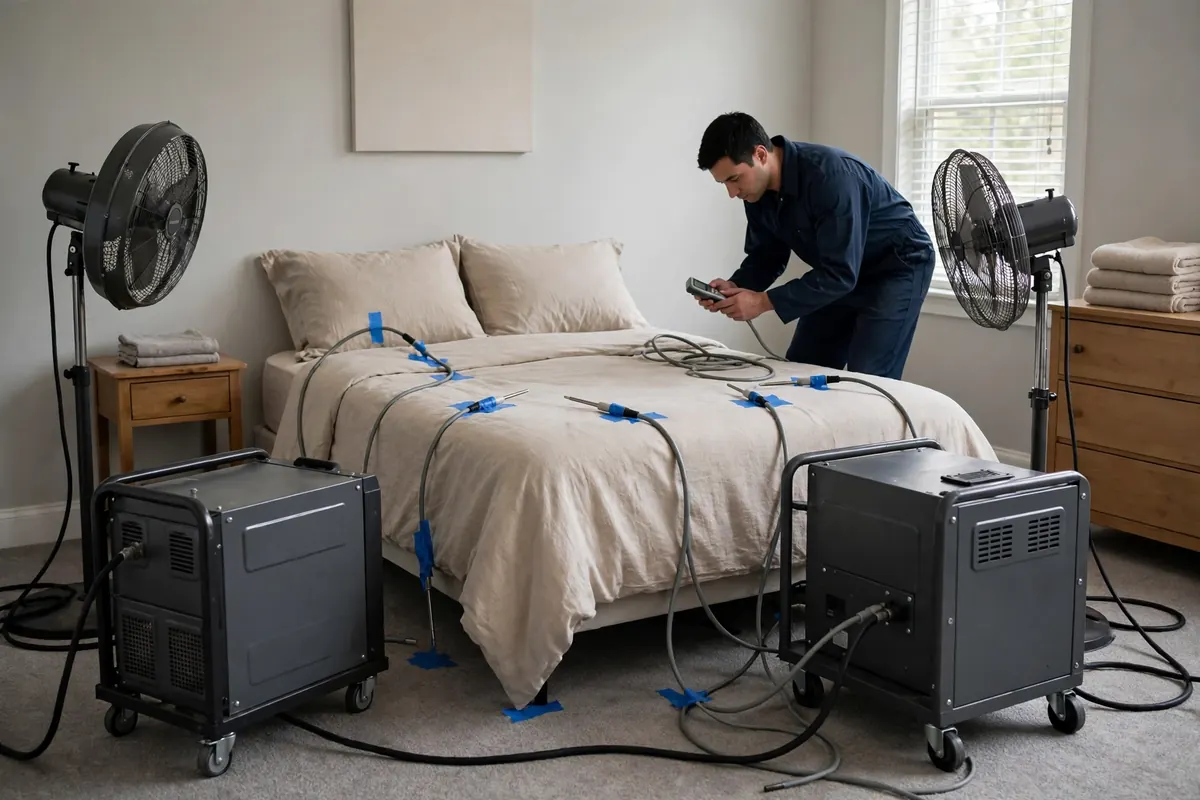
The mirror-image plan — a vacant flat baking through a hot summer — fails the same way from the other direction. Room air that feels brutal to a person is not the 113°F (45°C) at the harborage, held and sensor-verified, that a professional heat treatment delivers. Temperature kills bed bugs reliably, but only as a measured treatment. As weather, it is just a season the population waits through.
You Are A Landlord With A Vacant, Infested Unit. What Now?
Treat it, verify it, then re-let it. A vacant unit is actually the easiest version of the problem: no occupants to work around, no belongings to protect, and heat treatment can run without a household in the way.
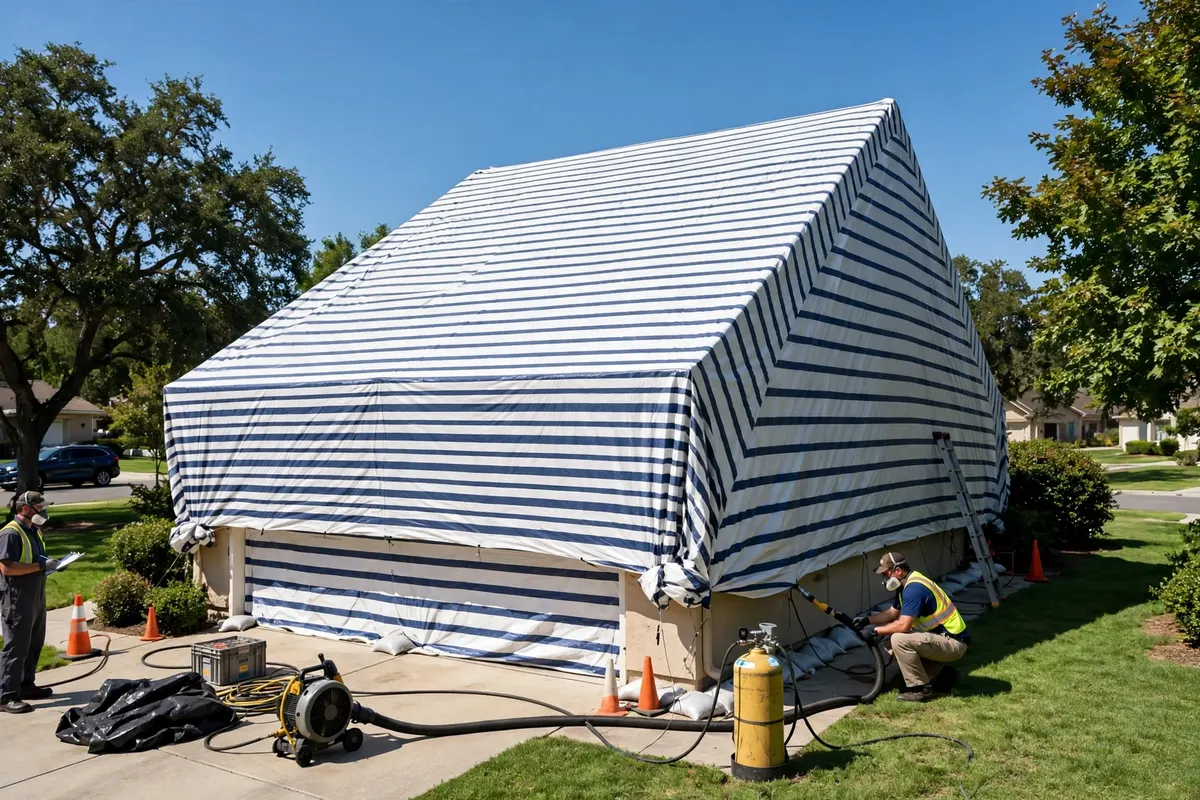
Start with inspection — of the unit and, honestly, of the adjoining ones, because an infestation old enough to outlast a tenancy has had time to travel. Then treatment: heat is often ideal in a vacancy, since the unit can be heated hard, monitored, and returned without scheduling around residents; targeted chemical programs with dusts in the voids are the other solid route. Fit interceptor traps under any bed that goes back in, and let monitoring run across an egg-hatching window before the new tenant arrives.
Document everything: inspection findings, treatment dates, verification results. If a future tenant reports bed bugs in month one, that paperwork is the difference between a swift, provable response and an argument about who introduced what. Properties near Bed Bug Treatment Altamonte Springs, FL get exactly this advice: a treated, monitored vacancy is an asset; an untreated one is a liability wearing a 'To Let' sign.
You Are Moving Into A Place That Sat Empty. What Should You Check?
Assume nothing and inspect. Check the seams of any bed you bring or find, look for fecal dots and shed skins around the bed area, and consider a few weeks of interceptor traps as cheap certainty.
A long vacancy is genuinely not evidence of bed bugs either — most empty homes are simply empty homes. But because vacancy cannot prove the negative, a ten-minute arrival check is worth it: torch along mattress piping if a bed was left, bed frame joints, headboard fixings, baseboard corners behind where the bed stood. Old eggshells or faded spots with nothing live may be history from a treated case; live bugs, fresh dark fecal spots or new shed skins mean call before you unpack the bedroom, not after.
If you find evidence, photograph it and contact the landlord or manager before your furniture goes in — treating an empty room is faster and cheaper than treating around a household, a point Bed Bug Treatment Albany, NY landlords and tenants both benefit from. One free call connects you with a local pro either way.
The Words Pros Use For All Of This
Guides like this one translate as they go, but on a call you will hear the trade's own terms. The species behind nearly every case is Cimex lectularius, the common bed bug. A bed bug egg is a millimetre long, pearly white, and glued into a seam or crack where sprays rarely reach. A bed bug nymph moults five times before it can breed, and it needs a blood meal at every stage. Rusty stains on bedding come from crushed, blood-fed bugs rolled on in the night.
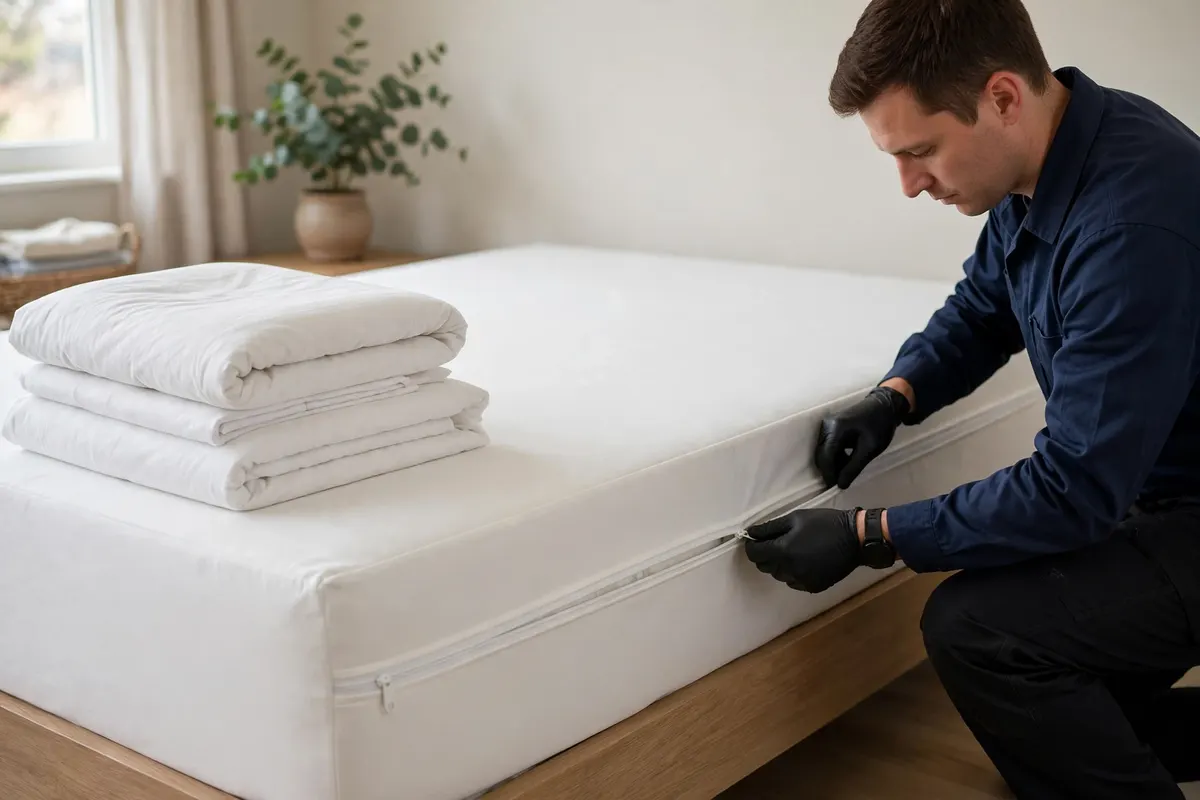
The kit those terms describe is simple: A passive monitor tucked at the head of the bed gives wandering bugs a harbourage that can be checked in seconds. A mattress encasement seals the bed itself, so nothing can hide in its seams or tufts. A box-spring encasement does the same for the base, whose torn fabric and staples hide colonies well. K9 scent detection can sweep a room in minutes, the dog's nose finding what eyes miss in clutter. Everything starts with a visual inspection — seams, screw holes, headboard backs and the joints of the frame. Thermal heat remediation raises the whole room to a lethal temperature and holds it there until every stage is dead.