Why Do So Many Insects Get Mistaken For Bed Bugs?
Because at a glance, in bad light, at 2 a.m., half the small brown insects in a house look the same — and the bed bug is the one everyone has heard of. A correct identification is the cheapest step in the whole business, and it decides everything after it.
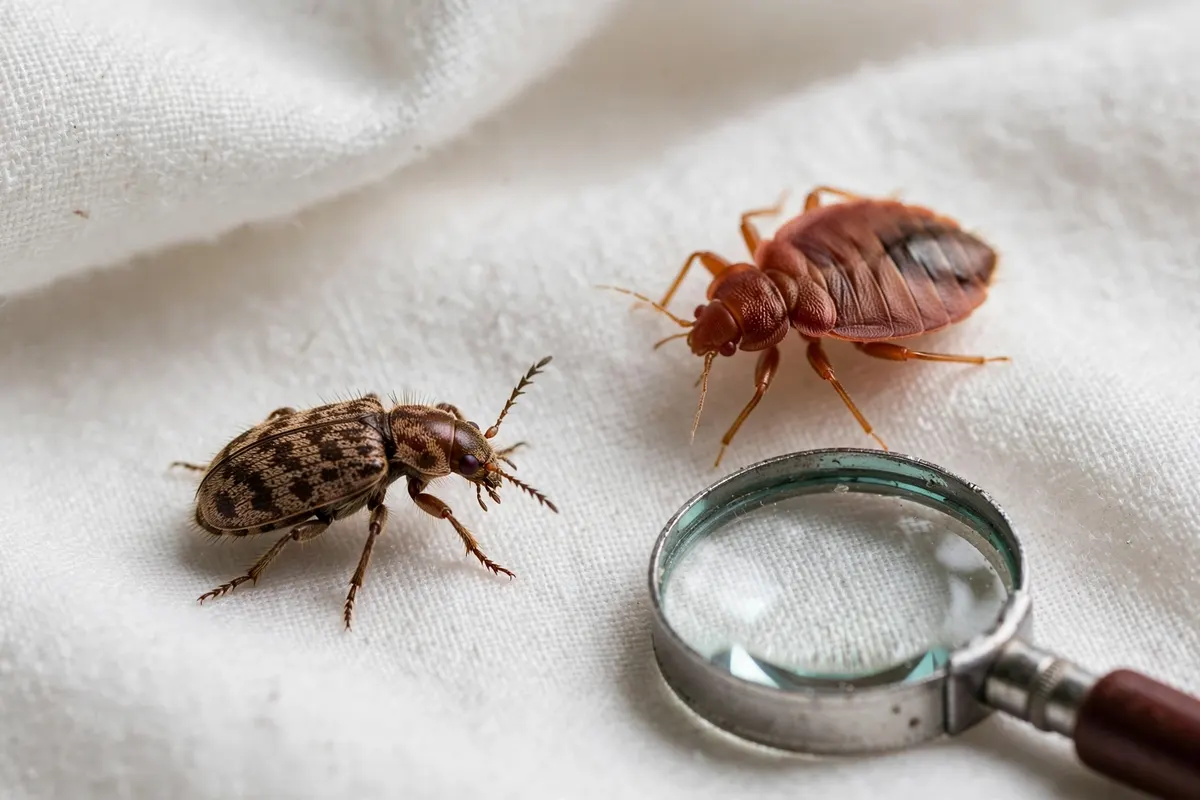
A real bed bug has a specific look: an oval, flat body about the size of an apple seed, six legs, two antennae, no wings, reddish-brown — brighter red and rounder after a blood meal. The confusion starts because that description, squinted at, also fits a cockroach nymph, a spider beetle, a carpet beetle adult and several others. The differences are real but small: leg count, body shape, whether it jumps, whether it has hairs, where it was found and what it was doing there.
So the rule of this guide is simple: work from the give-away feature, not from the overall impression. Each suspect below has one. And hold the stakes in mind — treating the wrong insect wastes the treatment and leaves the right problem breeding, which is why pros start with identification in Bed Bug Treatment Akron, NY and everywhere else.
The Look-Alikes: What Gives Each One Away?
Eight repeat offenders account for nearly every mistaken report: carpet beetles, bat bugs, swallow bugs, cockroach nymphs, fleas, ticks, spider beetles and booklice. Their give-aways differ — that is the good news.
Which Look-Alikes Need A Microscope To Rule Out?
The bat bug and the swallow bug. They are close relatives of the common bed bug within the same family, and the features separating them are hair lengths and proportions that only magnification reveals.
This is the honest limit of home identification: if your building has — or recently had — a bat roost in the attic or swallows nesting under the eaves, a specimen that looks exactly like a bed bug may be exactly that, or may be one of its cousins, and nobody's eyes can settle it. The distinction is not academic: a bat bug problem is not finished until the bats are excluded by a bat specialist, or the bugs keep walking down from the roost. A swallow bug problem starts with the nest.
The fix is specimen discipline. University extension services — Purdue Extension's bed bug IPM guidance describes exactly this identification route — and many pest control firms will put a saved specimen under the microscope and tell you what you actually have. It is the highest-value step available anywhere in this subject.
Need Bed Bug Treatment Help Near You?
One free call connects you with a local pro who can arrive in 30–60 minutes.
Call (800) 555-0100Free Call · Answered 24/7 · Local Pros Near You
What Should You Do With The Insect You Found?
Catch it intact, keep it, and record where it was. A crushed smear on a tissue is unidentifiable; one whole insect in a sealed container can be named with certainty.
Use a piece of tape or a tissue to lift it into a small jar or pill bottle — a little rubbing alcohol preserves it well. Photograph it next to a coin so size is unmistakable, and note the room and the exact spot: mattress seam, bathroom wall, pantry shelf, pet bed. Where an insect was found is half the identification, because carpet beetles patrol window sills and wardrobes, cockroach nymphs patrol kitchens, and bed bugs patrol within a few feet of where people sleep.
Then stop. Do not spray the room, do not strip the bed into the hallway, do not order a treatment for a pest you have not named. Show the specimen — physically or by clear photo — to a pro, the route households around Bed Bug Treatment Avon Park, FL use before a single product is opened.
Why Does The Right Name Change The Treatment?
Completely, in both directions. A carpet beetle problem is solved with vacuuming, source removal and textile care — bed bug treatment would be money fired at the wrong target. A bat bug problem left after 'bed bug treatment' recurs until the roost is dealt with.
Identification also sizes the job honestly. Fleas mean the treatment centres on pets, their bedding and soft furnishings, with veterinary products in the mix. Cockroach nymphs mean a kitchen-and-bathroom program. Booklice mean fixing damp, not calling anyone at all. Each of those is a different plan, a different price shape and a different definition of finished.
And when the specimen does come back as a true bed bug, the identification has still earned its keep: treatment starts immediately, targeted at the confirmed harborages, with no days lost to doubt. The sequence is the same one described across Bed Bug Help In Texas — confirm, then treat, then verify.
Every insect in this guide has a different story. The treatment that works is the one written for the insect you actually have.
What If It Really Is A Bed Bug?
Stop looking at the insect and start looking at the evidence trail: live bugs in the seams themselves, fecal spots, shed skins and rusty stains — the EPA's physical signs, found together, near where people sleep.
A bed bug infestation announces itself in the room even when individual bugs hide: dark spotting that bleeds into fabric like a marker along the seams, pale cast skins in the frame joints, the sweet musty odour of a heavier case. One wandering insect might be a hitchhiker; that evidence pattern is a colony. Interceptor traps under the bed legs and a passive monitor turn suspicion into a week of data either way.
If the signs are there, the next move is a professional visual inspection of the bed, the box spring, the headboard and the nearby furniture — in homes from Bed Bug Treatment Alvin, TX to yours, that inspection is what the treatment plan gets built on. One free call connects you with a local pro who can identify your specimen and inspect the room in the same visit.
The Words Pros Use For All Of This
Guides like this one translate as they go, but on a call you will hear the trade's own terms. The species behind nearly every case is Cimex lectularius, the common bed bug. A bed bug egg is a millimetre long, pearly white, and glued into a seam or crack where sprays rarely reach. A bed bug nymph moults five times before it can breed, and it needs a blood meal at every stage. Rusty stains on bedding come from crushed, blood-fed bugs rolled on in the night.
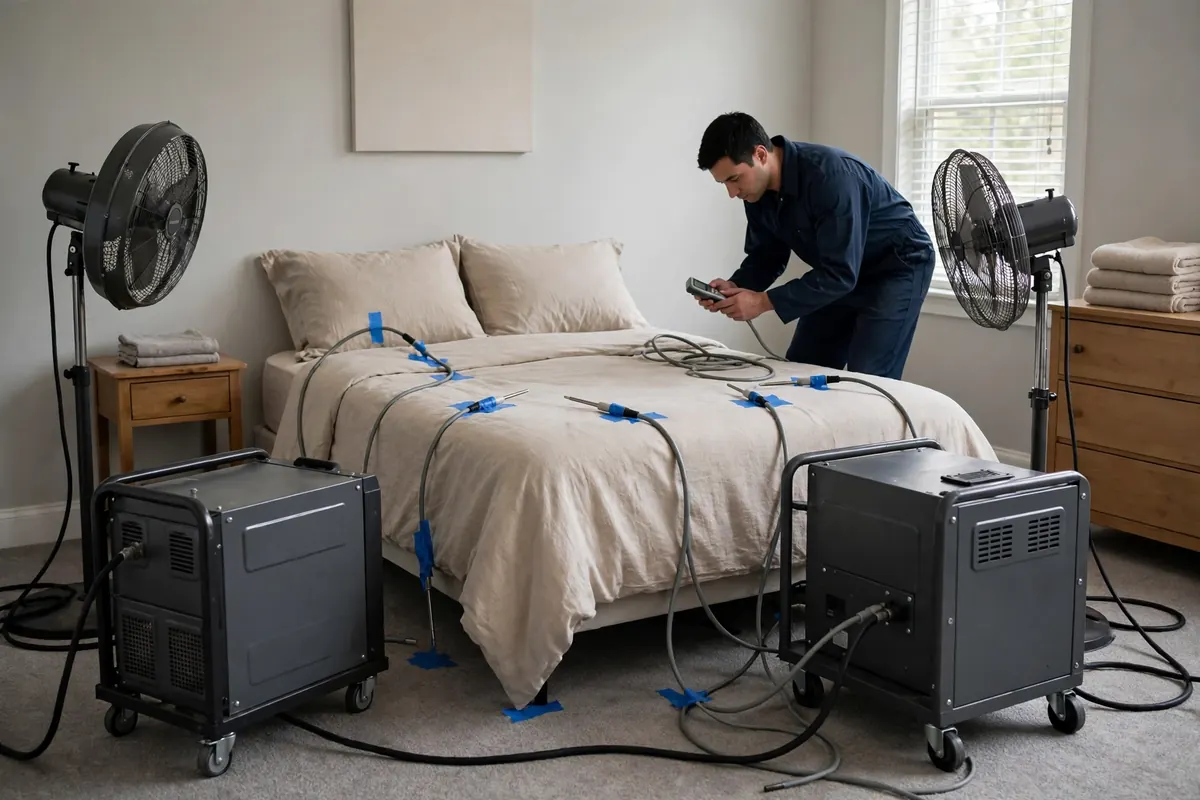
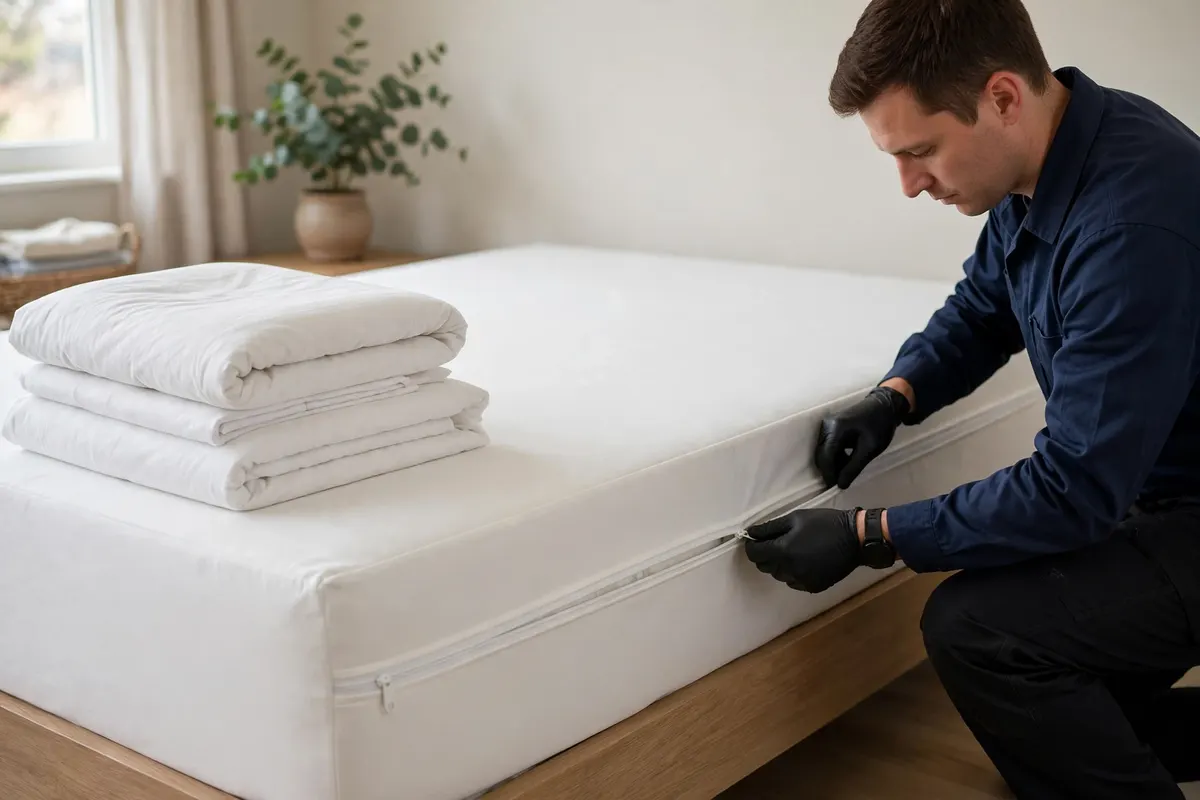
The kit those terms describe is simple: A mattress encasement seals the bed itself, so nothing can hide in its seams or tufts. A box-spring encasement does the same for the base, whose torn fabric and staples hide colonies well. K9 scent detection can sweep a room in minutes, the dog's nose finding what eyes miss in clutter. Thermal heat remediation raises the whole room to a lethal temperature and holds it there until every stage is dead.